Tennant Carpentry & Building

West Sussex

Builders and joiners in Cuckfield. The village that refused the railway.

Landowners objected to the Brighton line in the 1840s, it went through Haywards Heath instead, and Cuckfield stopped growing — which is why its walls still read like a timeline.

Builders and carpenters in Cuckfield are working on a village that stopped rebuilding itself. In 1820 fifty coaches a day came through on the London to Brighton turnpike. Then in the 1840s the railway was surveyed, local landowners objected to the route it was to take, and the line was built through Haywards Heath instead. Cuckfield lost its importance, and with it the reason to keep replacing its buildings.

That is the single most useful thing to know before working on a house here. What stands in Cuckfield now is largely what stood when the coaches stopped coming.

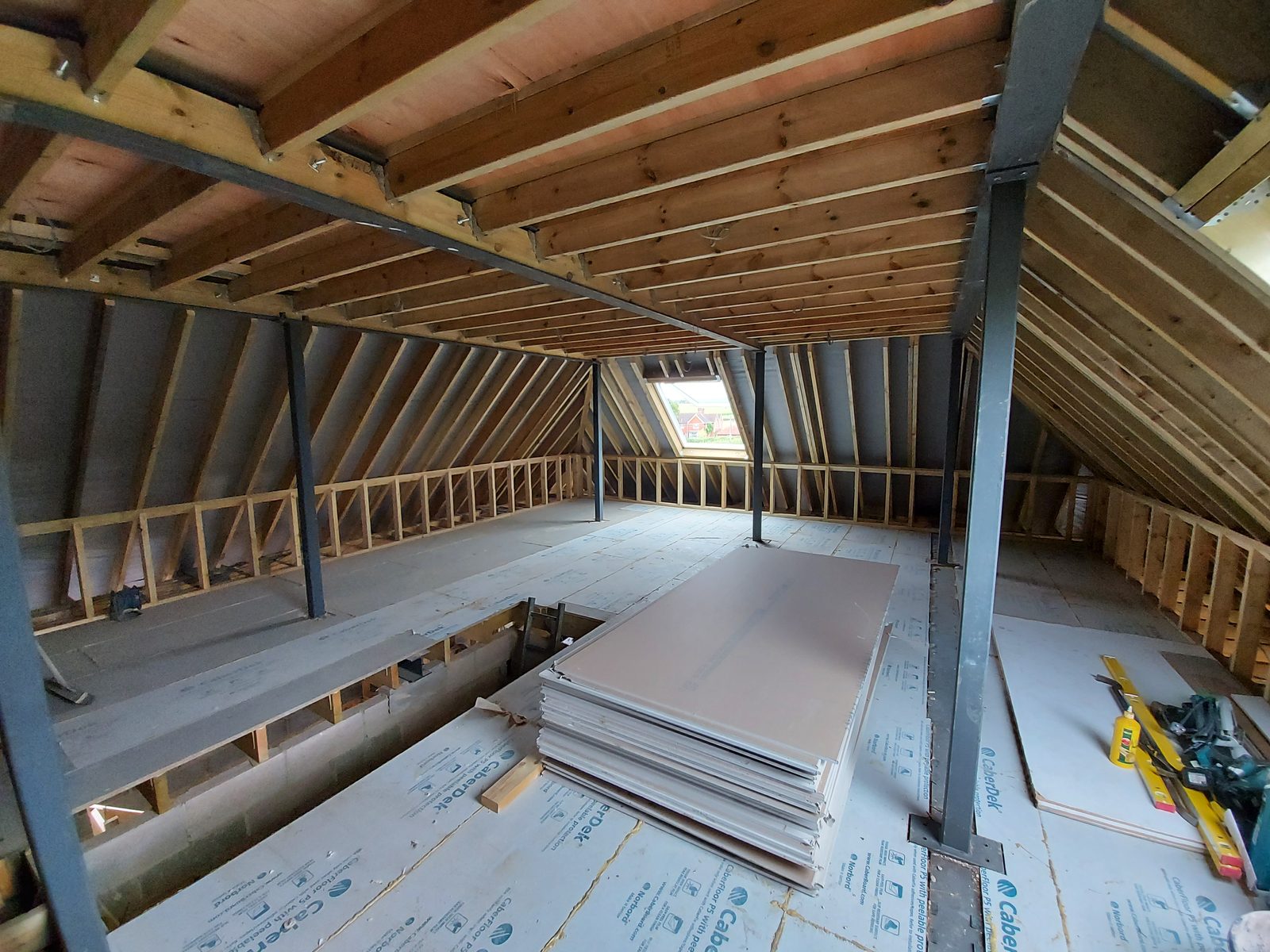
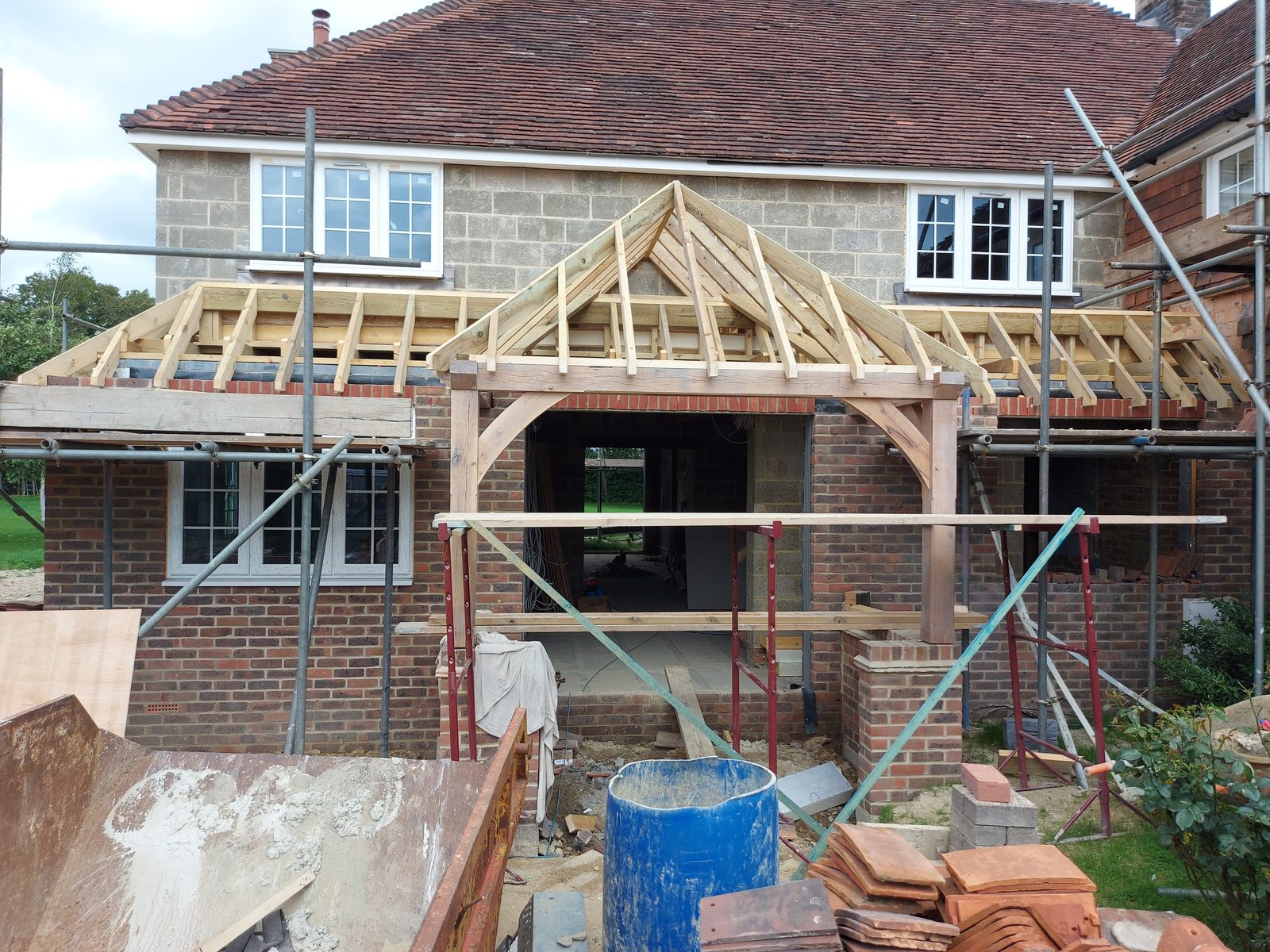
Tennant Carpentry & Building takes on extensions and loft conversions, roof carpentry, house renovation, fitted wardrobes and joinery bespoke kitchens and oak framed structures in Cuckfield, and throughout the wider area we cover.

The sequence is legible in the walls

The conservation area appraisal sets out an unusually clear progression. Before 1500, buildings are timber framed, sitting on sandstone bases. Through the seventeenth century framing is still prevalent but sandstone is used more and more. By the eighteenth, locally available brick has taken over almost completely — a dark red brick, the colour coming from the high iron content in the Wealden clay it was made from.

Roofs, particularly on anything pre-1800, are Horsham stone. The church has one.

What that means in practice is that a single old building here can be oak framed at the back, sandstone at the base, brick at the front and stone overhead, each material moving differently and none of them plumb. New work fitted into it is scribed to four substrates in one room. A drawing does not tell you that. A survey does.

It has been protected for a long time

The conservation area was designated in 1969, among the earliest in what is now Mid Sussex, and extended in 1989. The church is Grade I and there are a great many Grade II buildings in the centre.

Worth knowing before planning anything that changes an elevation: what is possible here is narrower than a mile outside it, and the constraint is better established before a drawing exists than after one does.

The extension goes on the oldest part of the house

In a village that stopped growing, the back of a house is often older than the front, not newer. There was no Victorian rebuild to put a modern rear wing on, so the elevation an extension has to join is frequently the one with the least regular geometry and the most movement in it.

That reverses the usual order of work. The junction gets surveyed and set out first, and the new structure is designed to meet it, rather than the new structure being drawn and the junction resolved on site. Where a wall plate has dropped or a frame has racked, the new work takes up the difference — it is not the old building that gets corrected.

A different council to most of this site

Cuckfield is in Mid Sussex. Every other town on this site sits in Horsham District, so the local plan, the validation requirements and the people reading the application are all different ones.

It is a short point but a practical one: precedent from a job a few miles west does not carry, and the documents asked for at submission are not necessarily the same.

The first floor that went on in Cuckfield

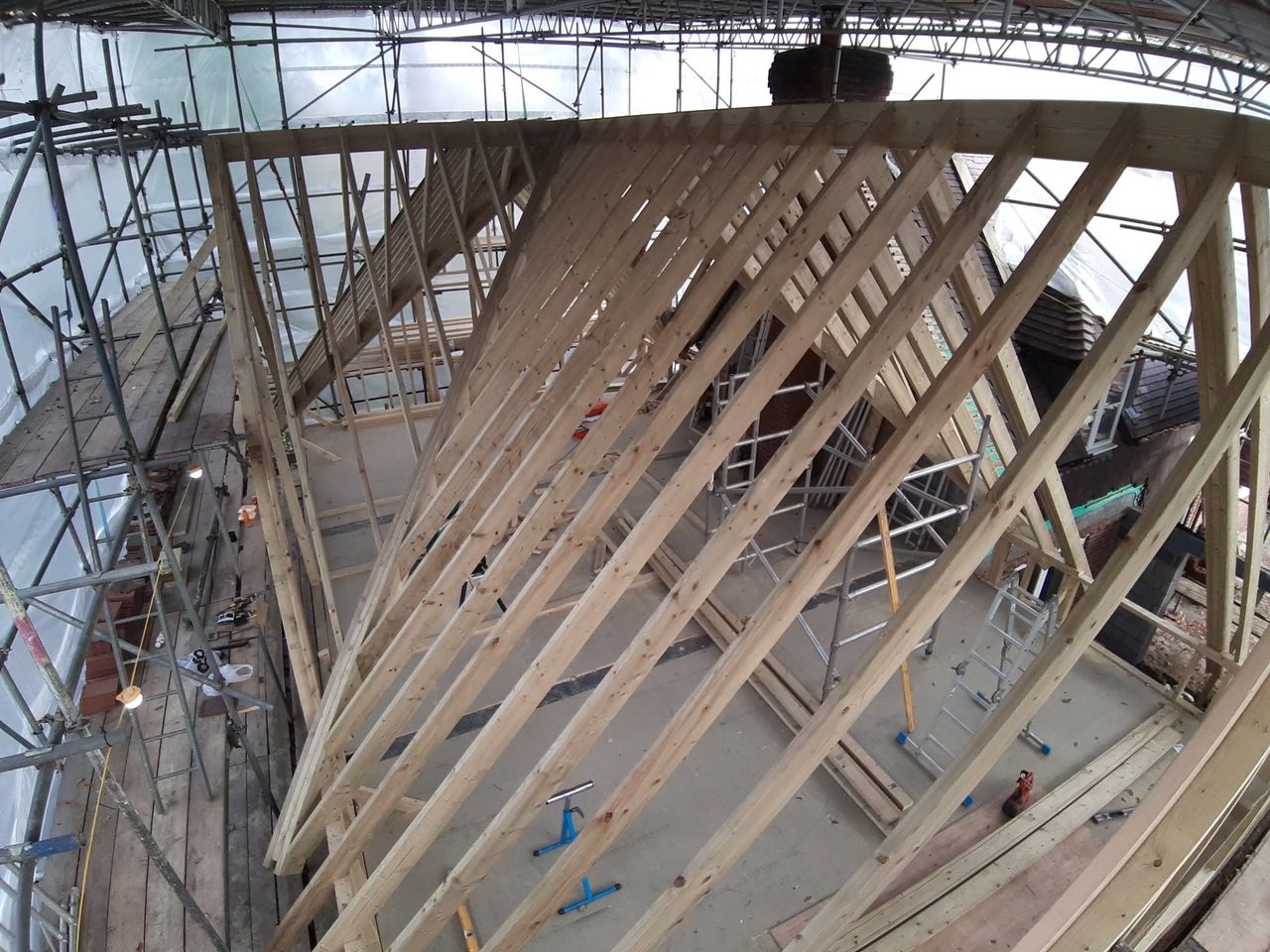
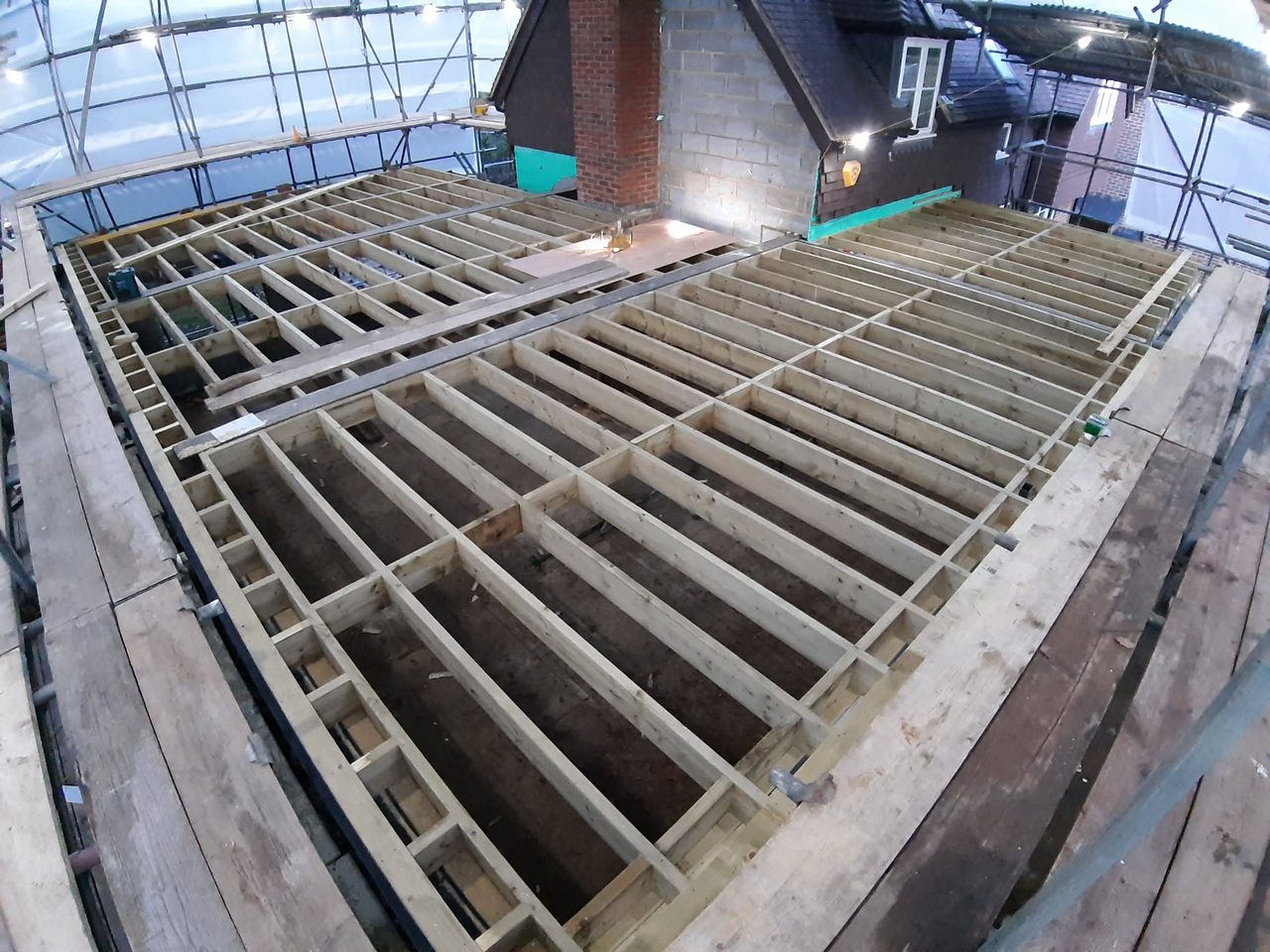
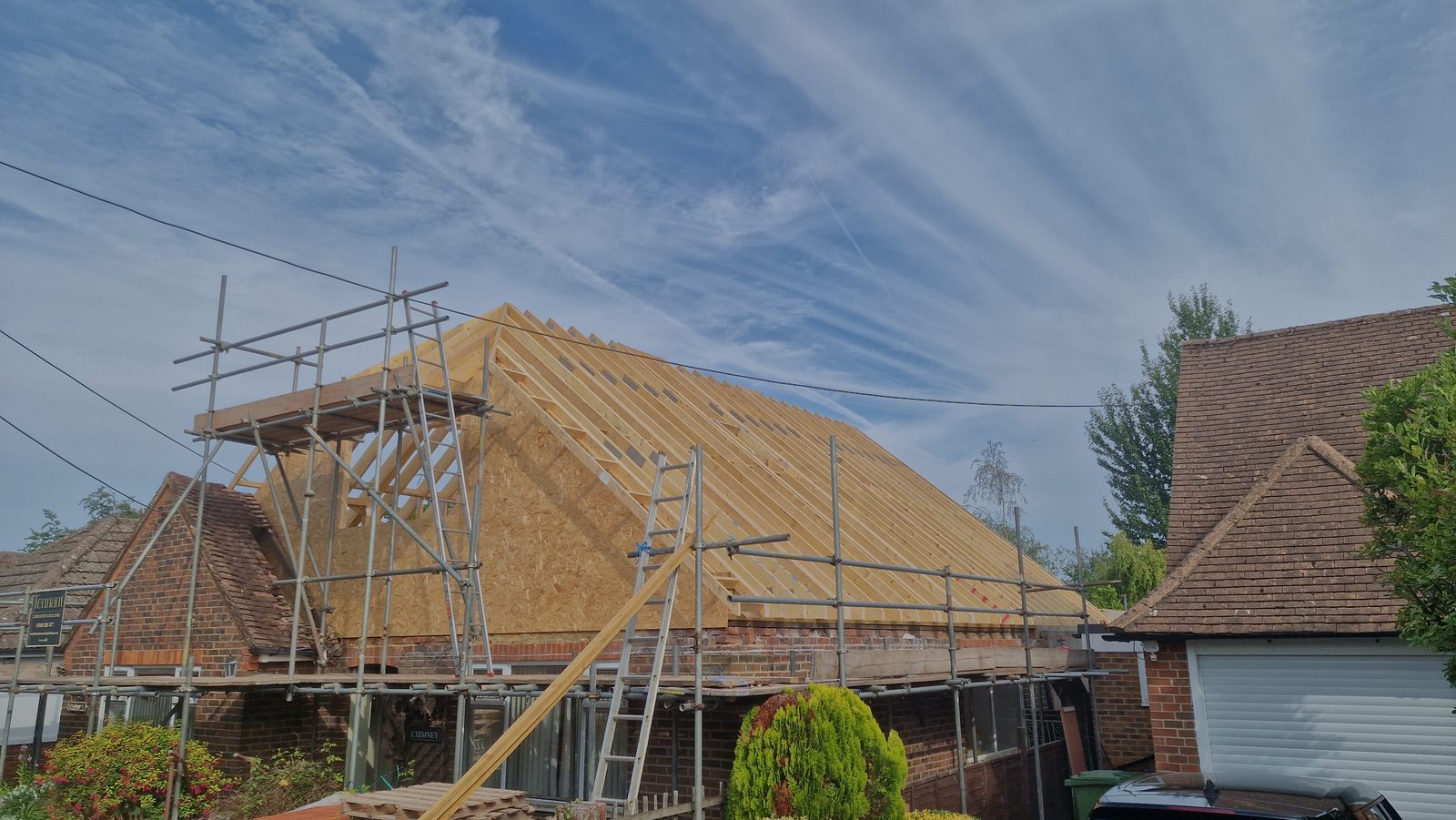
The first-floor timber extension here was built with the roof off under a sheeted scaffold, steels in, joists run and the house kept weather-tight at the end of each day with the family still living underneath.

Most of that new structure met old fabric on more than one side, so the setting out was taken from the house as it measured. On a building of this age that is the normal condition rather than a complication — which is why the survey comes before the order, and why what it finds changes the drawing rather than the reverse.

Standing still is a maintenance problem, not a virtue

A village that has not rebuilt itself has a great deal of original fabric, and original fabric needs work. Oak that has moved for four centuries, sandstone that spalls, dark brick with soft lime joints, Horsham slabs that were laid before anyone thought about insulation — none of that is a fault. It is the material, behaving as it does.

The work here is mostly repair and careful addition rather than replacement, and it is the kind that has to be quoted from the building rather than from photographs. Bolney, eight miles west, runs to different stock again.

Services in Cuckfield

Extensions & Loft Conversions

Loft conversions and extensions in West Sussex: whether the roof you have will take a room, what carries the new floor, and where the stair can honestly land.

Hand Cut Roofs & Trussed Roofs

Hand cut roofs set out on the building as it measures, trussed roofs fixed and braced, and the openings trimmed through either.

Renovations & Conversions

House renovation in West Sussex: structural carpentry and fitted joinery in houses of any age, run by the same business from survey to the last door.

Bespoke Fitted Furniture

Bespoke fitted furniture for Sussex houses: wardrobes, alcove cabinetry, bookcases and oak staircases, scribed to rooms that are out of true.

Bespoke Kitchens

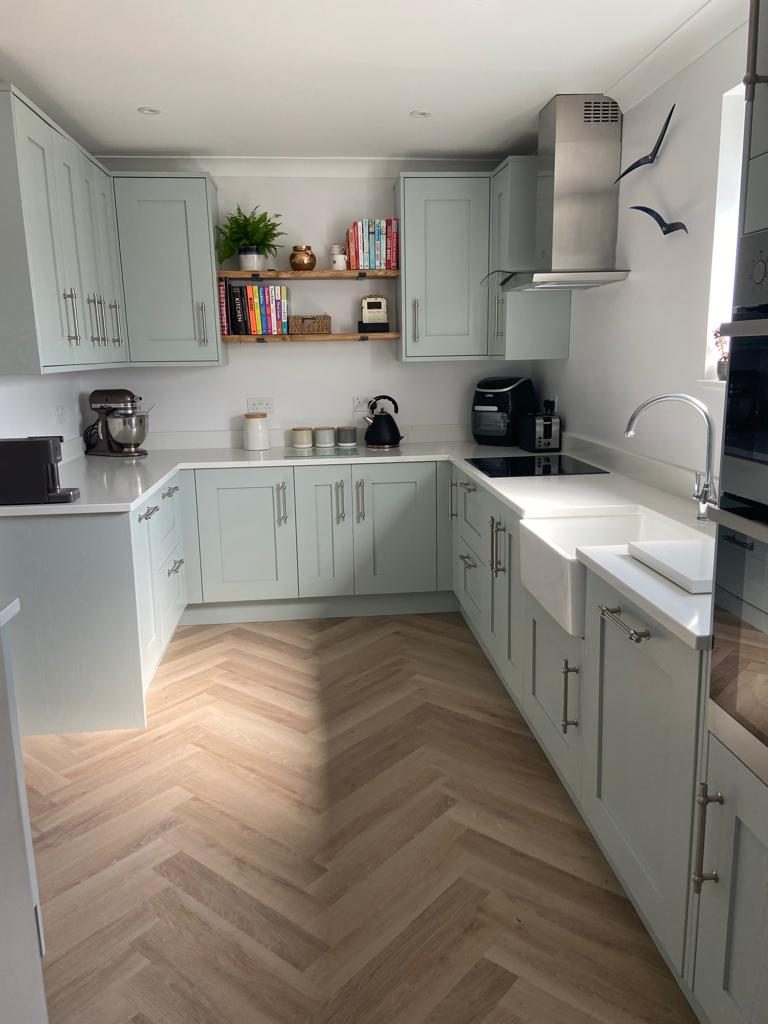
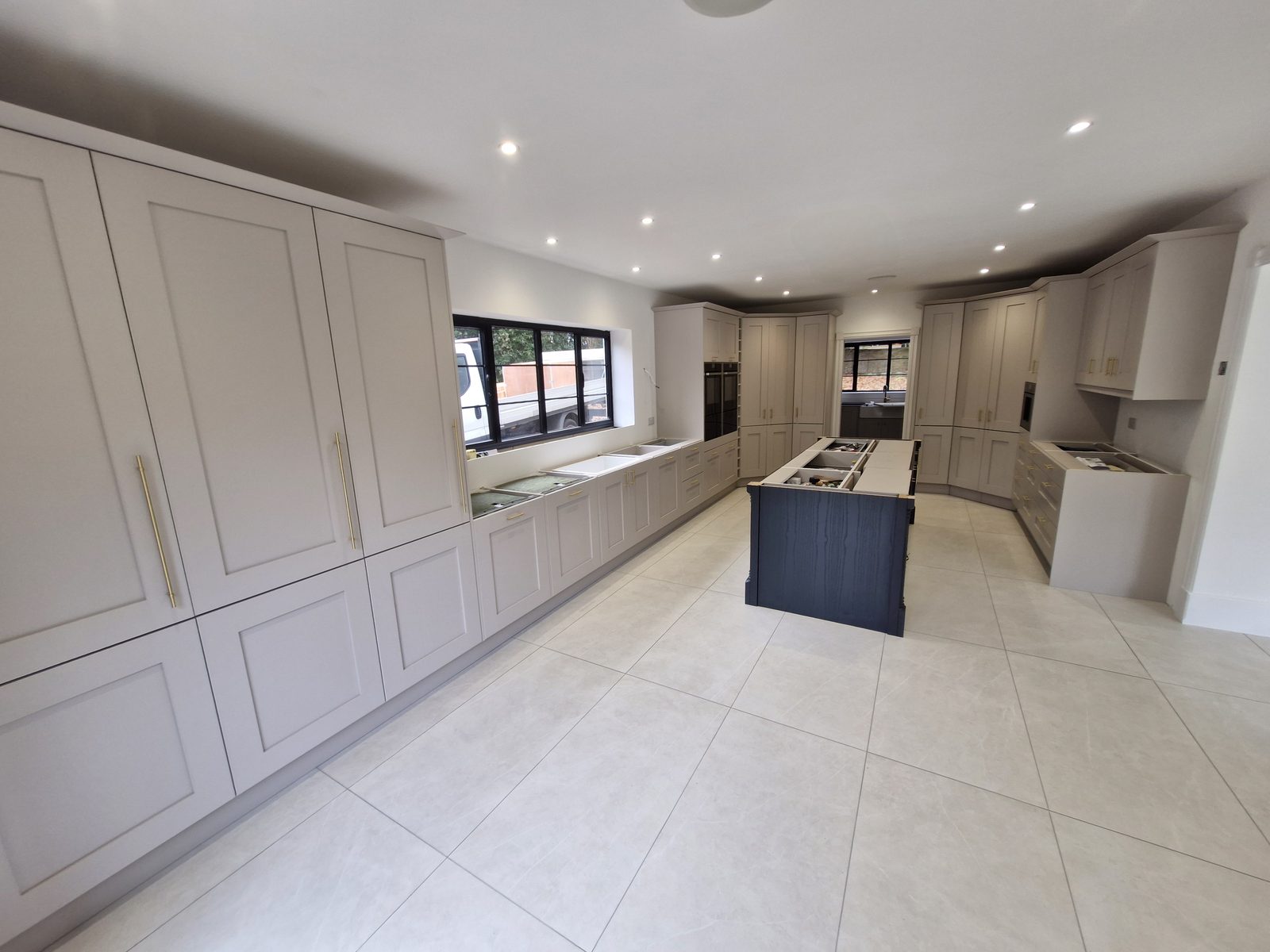
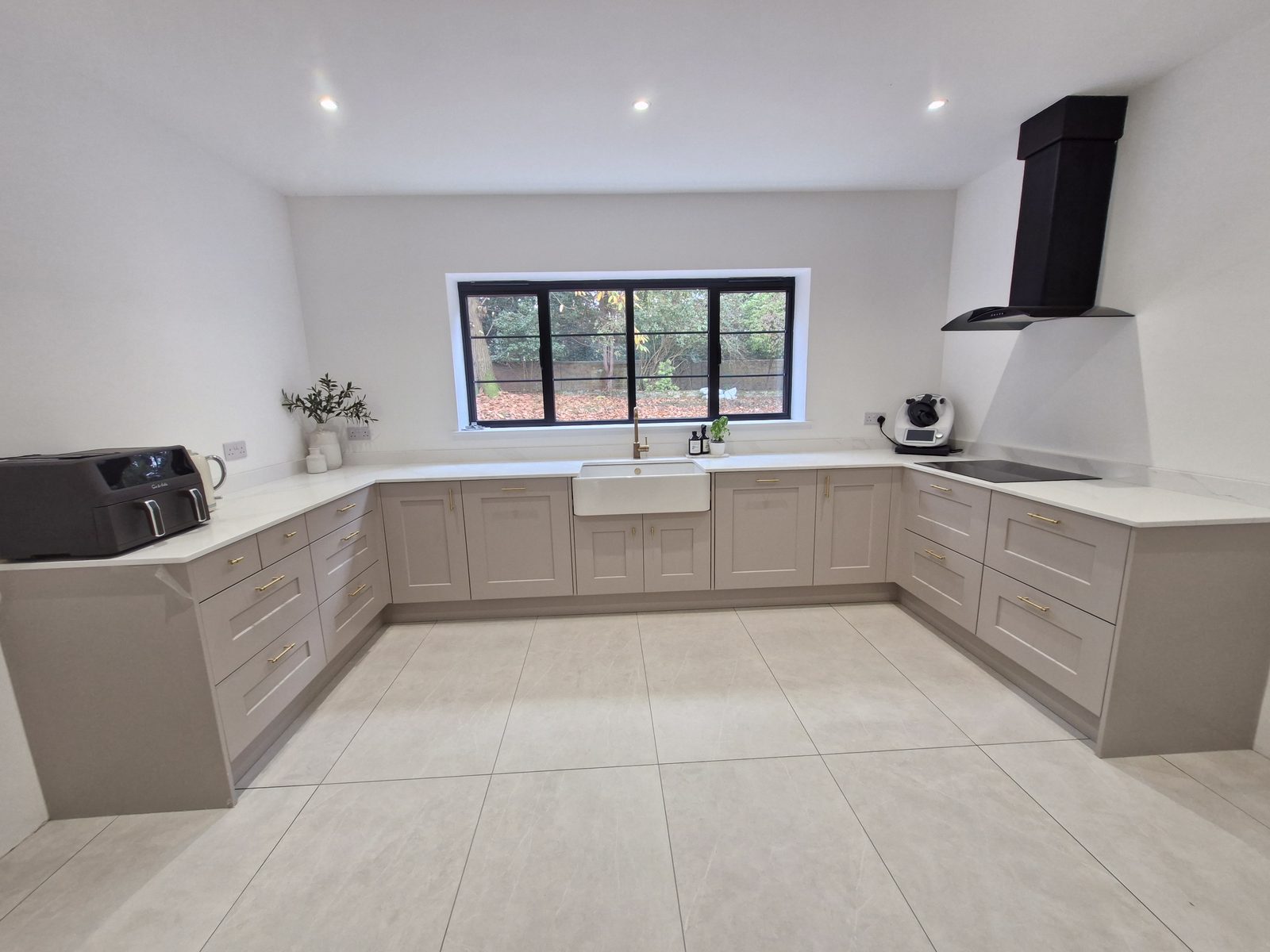
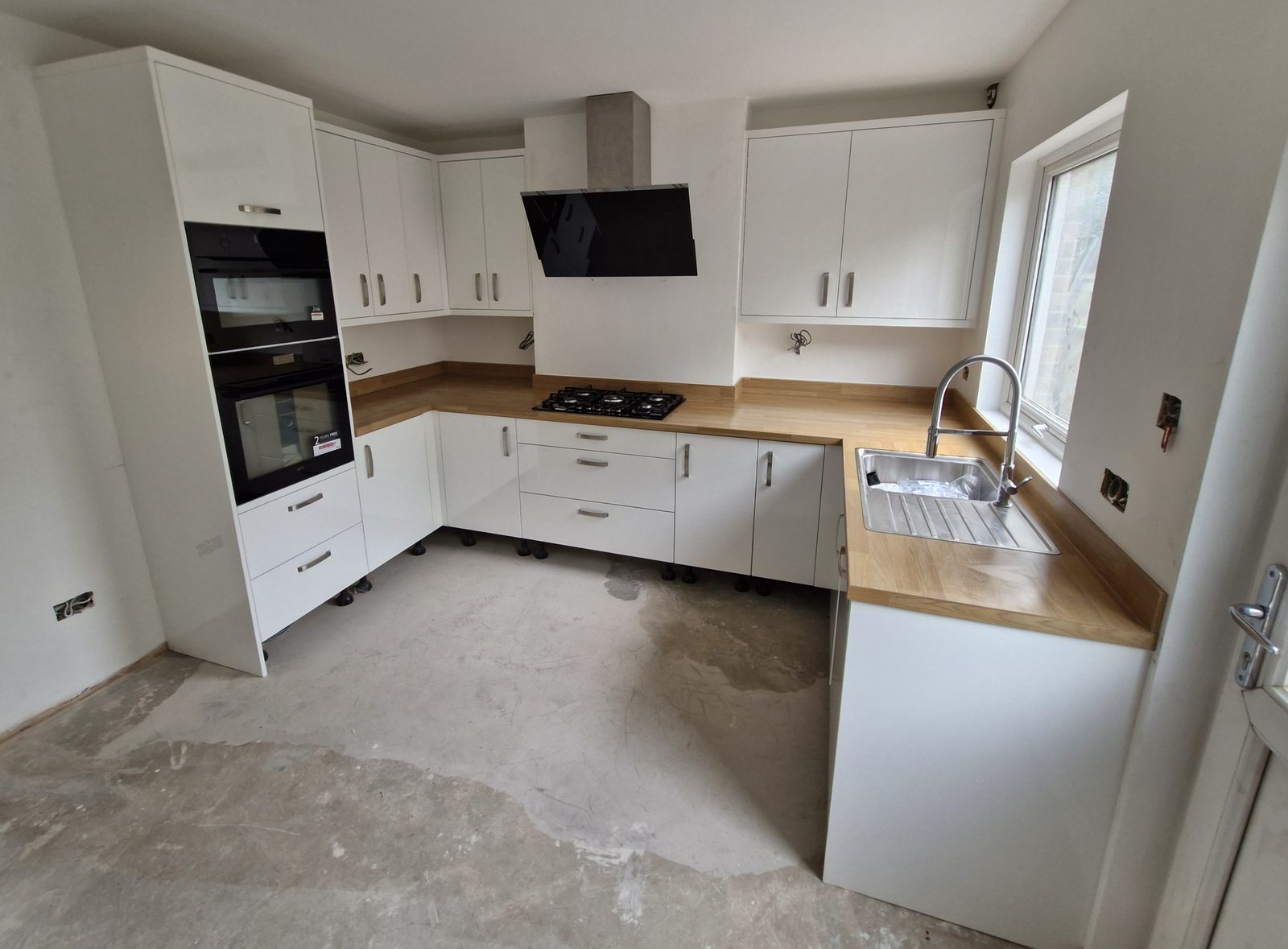
Bespoke and fitted kitchens for Sussex houses: designed from a survey, built to the room's real dimensions, fitted by the team, and the room prepared first if you want it.

Oak Frame Structures

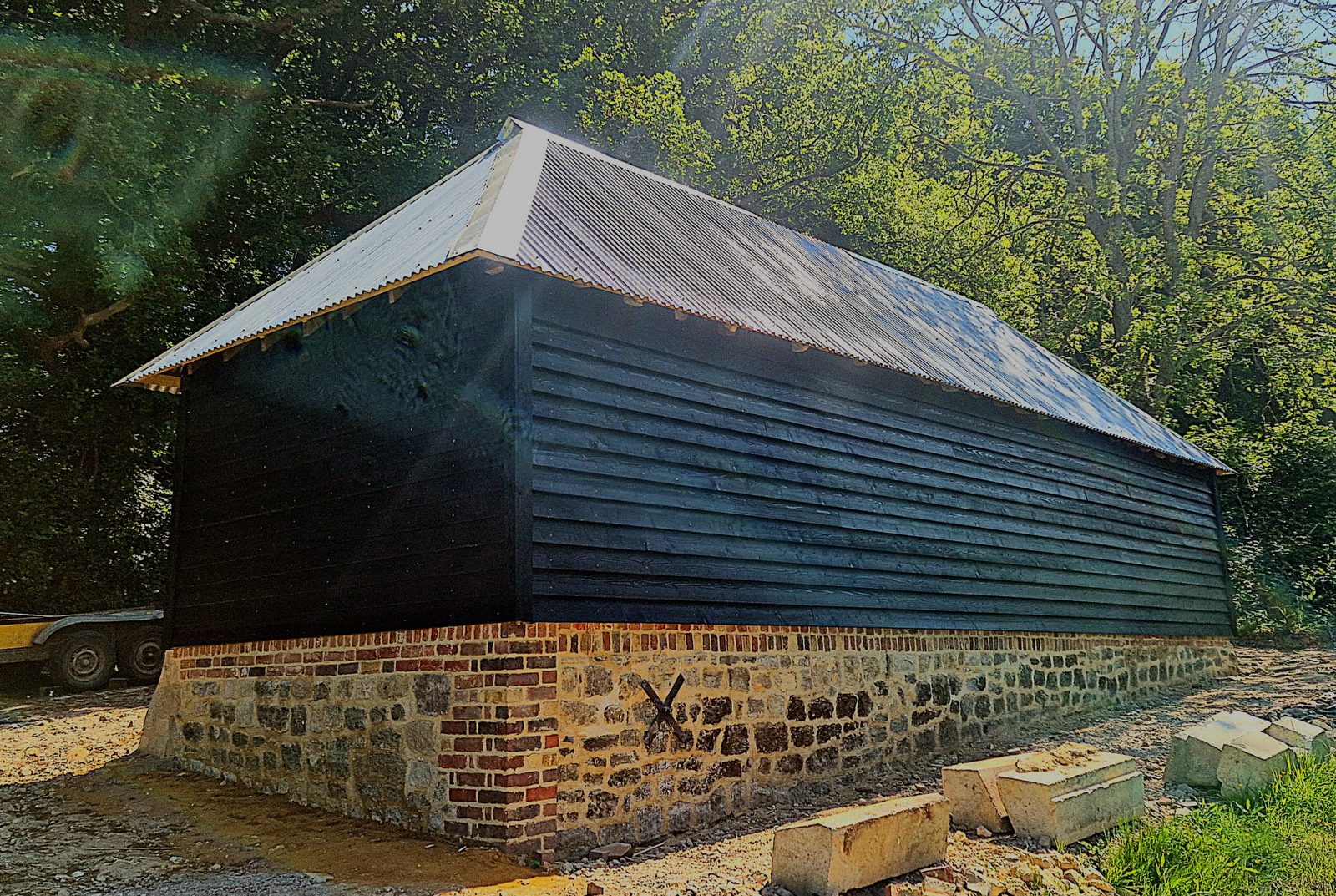
Oak framed entrance porches, oak porch screens and doors, the rebuild of a well house, and oak frame repair across West Sussex: mortice-and-tenon joints, pegged, left bare to silver.
Cuckfield, West Sussex. Tom and the team work from Washington. Visits are by arrangement — there is no showroom.

Next step

Tell Tom about the job.

Every enquiry is read by Tom. A survey and a written quotation come before anything is cut.

Start a conversation 07469 820977

Selected work

Lately, in Sussex houses.

Follow the work as it happens on Facebook